


Outdoor TV Buying Guide: How to Choose the Right Outdoor Television for Your Space
From Brightness and Weather Protection to Size, Sound and Installation — Everything You Need to Know Before Buying an Outdoor TV
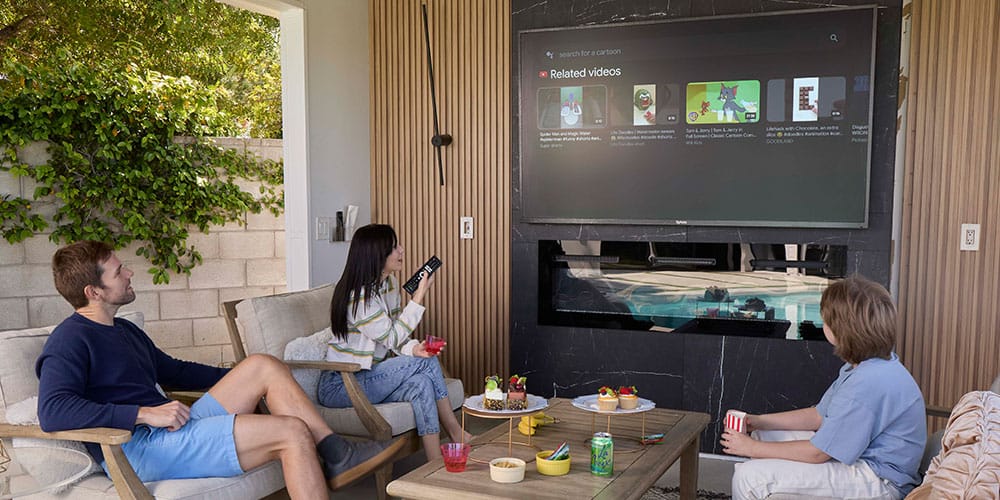
An outdoor TV can look impressive in a product photo, but the real test begins once it is installed outside.
Unlike a television in your living room, an outdoor TV needs to handle changing conditions every day:
- bright sunlight
- rain and humidity
- dust and insects
- summer heat
- cold winter temperatures
Choosing an outdoor TV is therefore not only about screen size or smart features.
The most important question is:
Does the TV match your outdoor environment?
A terrace with a roof, a sunny pool area, and an open garden all require different specifications.
For example:
- A covered patio may only need moderate brightness.
- A poolside installation in direct sunlight requires much higher brightness and stronger outdoor protection.
- A year-round outdoor setup needs reliable temperature performance and durable construction.
This outdoor TV buying guide explains the key factors to consider before purchasing, including:
- brightness and sunlight exposure
- weather protection
- durability
- screen size
- picture and sound quality
- smart features
- installation options
The goal is simple:
Help you choose an outdoor TV that fits your space, your climate, and the way you actually want to use it.
How to Choose an Outdoor TV
Before comparing models, start with your outdoor environment.
Many buyers begin by choosing a screen size or looking at technical specifications. However, the best outdoor TV choice starts with three basic questions:
1. Where will the TV be installed?
Consider:
- Is it under a roof?
- Does direct sunlight hit the screen?
- Is it close to a pool or water source?
- Is the location exposed to wind and rain?
A sheltered terrace in Germany has very different requirements from an open rooftop terrace in Spain.
2. How often will you use it?
A TV used occasionally for weekend gatherings has different requirements from a permanent outdoor entertainment system.
Think about your typical use:
- watching films outdoors
- following sports with friends
- gaming
- relaxing by the pool
- outdoor dining and entertainment
The more frequently you use the TV, the more important durability and convenience become.
3. How permanent should the installation be?
A temporary outdoor setup may work for occasional events.
However, if the TV becomes part of your outdoor living space, features such as:
- weather protection
- brightness
- mounting options
- long-term reliability
become much more important.
1. Choose by Brightness and Sun Exposure
Brightness is the first thing to consider outdoors
One of the biggest mistakes when buying an outdoor TV is focusing only on resolution.
A 4K screen does not automatically guarantee a great outdoor viewing experience.
Why?
Because sunlight changes everything.
A screen that looks excellent indoors can appear:
- washed out
- reflective
- difficult to read
when placed outside during the day.
Outdoor TV brightness is measured in nits.
The higher the nit rating, the better the screen can compete with surrounding light.
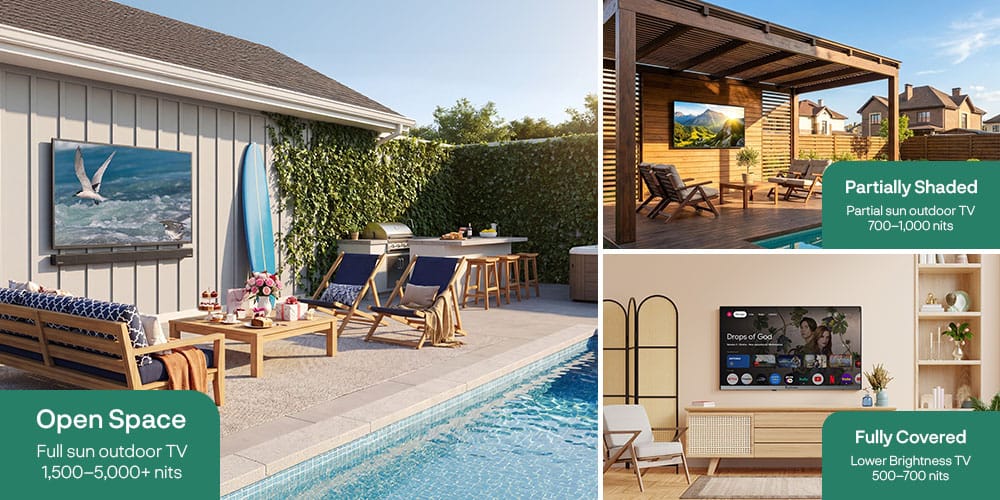
How Many Nits Do You Need for an Outdoor TV?
The correct brightness depends mainly on sunlight exposure.
There is no single brightness level that works for every outdoor space.
Covered or Shaded Outdoor Areas
Recommended:
Around 700–1,000 nits
Suitable for:
- covered terraces
- pergolas
- balconies
- outdoor kitchens
- shaded patios
These areas receive limited direct sunlight, so extremely high brightness may not be necessary.
A balanced outdoor TV can provide:
- comfortable viewing
- good contrast
- efficient performance
Partial Sun Areas
Recommended:
Around 1,000–1,500 nits
Suitable for:
- terraces with changing sunlight
- gardens with partial shade
- outdoor areas exposed during parts of the day
This is a common situation for many European homes.
For example:
A terrace may be shaded in the morning but receive direct sunlight in the afternoon.
Full Sun Areas
Recommended:
1,500–2,000+ nits
Suitable for:
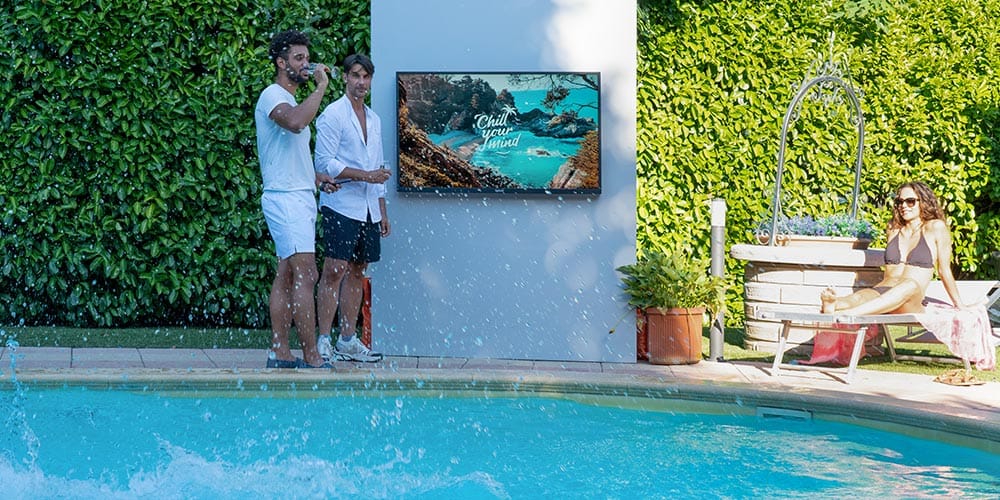
- pool areas
- open gardens
- uncovered terraces
- rooftop spaces
- south-facing outdoor areas
In these environments, visibility during daytime becomes the priority.
Higher brightness helps maintain:
- clearer images
- stronger contrast
- better colour visibility
Brightness Is Not the Only Factor
A brighter screen helps, but outdoor viewing quality depends on several technologies working together.
A good outdoor TV should also consider:
Anti-Glare Display
Outdoor environments create reflections from:
- sunlight
- glass doors
- water surfaces
- surrounding buildings
Anti-glare treatment reduces distracting reflections and improves comfort.
Heat Management
Higher brightness produces more heat.
Outdoor TVs need proper thermal design to maintain stable performance.
Contrast and Colour Performance
A bright image is not enough.
Good outdoor viewing also requires:
- accurate colours
- strong contrast
- stable picture quality in changing light conditions
Choosing Brightness Based on Your Outdoor Space
| Outdoor location | Recommended brightness |
|---|---|
| Covered terrace | 700–1,000 nits |
| Partial sunlight area | 1,000–1,500 nits |
| Open area with direct sun | 1,500–2,000+ nits |
A useful rule:
Choose the brightness based on the brightest conditions you expect to watch in — not the easiest conditions.
2. Choose by Weather Protection
Brightness determines whether you can see the picture.
Weather protection determines whether the TV can survive outside.
Many products use terms such as:
- waterproof
- weather resistant
- outdoor ready
However, outdoor durability depends on the complete design.
A reliable outdoor TV should protect against:
- rain
- dust
- humidity
- insects
- temperature changes
- corrosion
Waterproof Is Not the Same as Outdoor Ready
A common misunderstanding is:
“If a TV is waterproof, it can stay outside.”
In reality, outdoor use requires much more.
A properly designed outdoor TV should include:
- sealed internal components
- protected connections
- durable housing
- suitable temperature management
Water resistance is only one part of outdoor reliability.
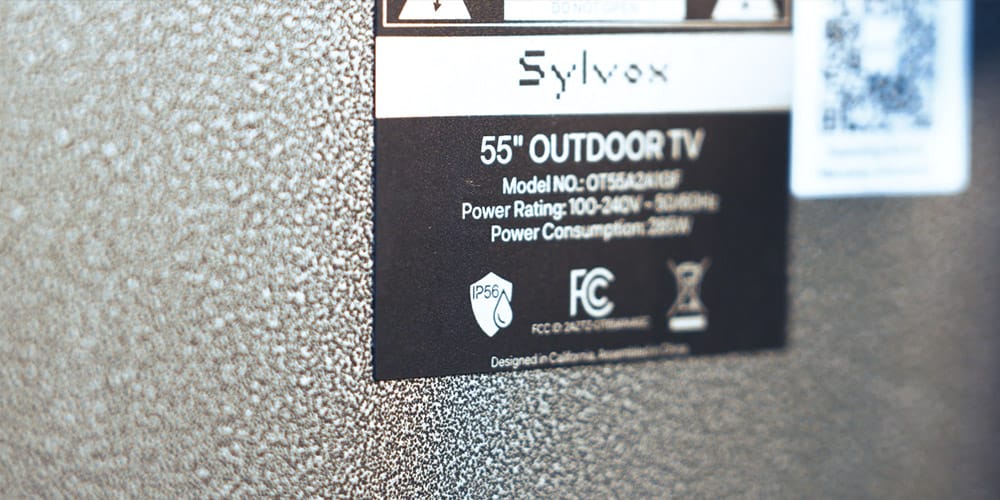
Understanding IP Ratings
The IP rating is one of the most useful indicators when comparing outdoor TVs.
It describes protection against:
- solid particles such as dust
- water exposure
For example:
IP56
means:
First number (5):
Protection against dust entering the device.
Second number (6):
Protection against powerful water jets.
For outdoor environments, an IP rating provides a clearer reference than a simple “weatherproof” label.
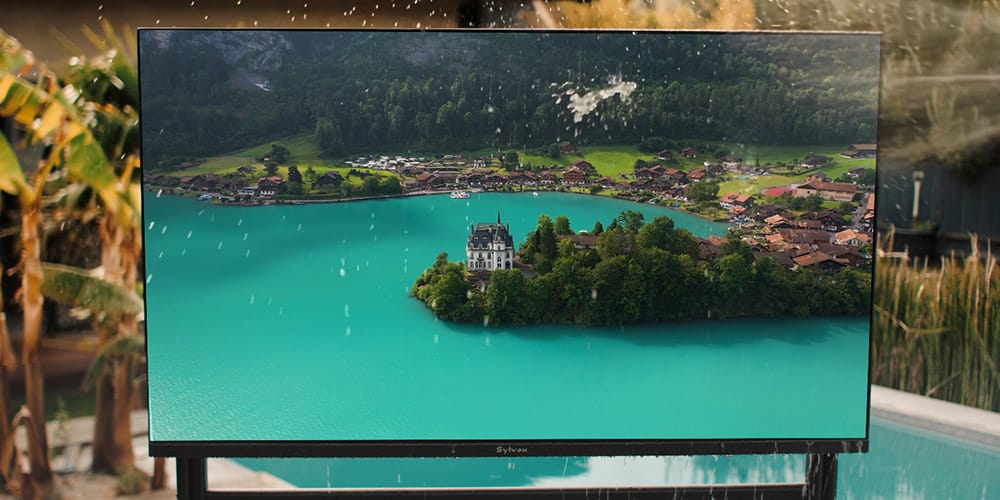
Important Weather Protection Features
When comparing outdoor TVs, look beyond the IP rating.
Consider these factors:
| Feature | Why it matters outdoors |
|---|---|
| IP rating | Shows dust and water protection |
| Metal housing | Improves durability and heat management |
| Sealed construction | Helps prevent moisture and dust entry |
| Corrosion resistance | Important near pools and coastal areas |
| Protected remote and accessories | Small components also need outdoor protection |
Outdoor TV Materials Matter
Outdoor environments are demanding.
A television installed outside must handle:
- seasonal weather changes
- sunlight exposure
- moisture
- temperature fluctuations
A durable housing helps protect internal components while also supporting heat dissipation.
This is why outdoor TVs are usually built differently from standard indoor models.
3. Choose by Year-Round Durability: Can the TV Stay Outside All Year?
An outdoor TV is designed to do more than survive a single rainy day.
If you want a television that remains installed outdoors throughout the year, durability becomes one of the most important factors.
Outdoor conditions change constantly:
- hot summer afternoons
- strong sunlight
- heavy rain
- winter frost
- humidity changes
- temperature fluctuations between day and night
A reliable outdoor TV needs to maintain stable performance through all of these situations.
Heat Resistance: Why Summer Conditions Matter
Heat is one of the biggest challenges for outdoor electronics.
A television placed in direct sunlight can become much hotter internally than the actual outdoor temperature.
For example:
A terrace may feel like 30°C, but the temperature inside a black electronic enclosure exposed to direct sun can rise significantly higher.
Without proper heat management, high temperatures may affect:
- screen performance
- colour accuracy
- internal components
- product lifespan
How Outdoor TVs Manage Heat
A purpose-built outdoor TV typically includes features designed to control heat buildup:
Better Heat Dissipation
Durable materials, such as metal housings, can help transfer heat away from internal components.
Outdoor-Rated Cooling Systems
Some outdoor TVs use active cooling solutions to maintain stable operation in warmer conditions.
Temperature-Resistant Components
Internal components are selected to operate reliably across wider temperature ranges.
Cold Weather Performance
Cold weather creates a different set of challenges.
Low temperatures can affect regular indoor TVs through:
- slower screen response
- delayed startup
- increased stress on electronics
- moisture caused by condensation
For homes in colder European regions, such as the UK, Germany, Scandinavia, or alpine areas, temperature performance is especially important.
What to Check Before Buying
Before choosing an outdoor TV, look for clear information about:
| Question | Why it matters |
|---|---|
| What is the operating temperature range? | Shows whether the TV is designed for seasonal changes |
| How does the TV manage heat? | Helps prevent overheating in summer |
| Can it handle cold starts? | Important for winter use |
| Is it designed for permanent outdoor installation? | Indicates long-term reliability |
4. Choose the Right Screen Size: Outdoor TV Size Guide
Screen size is another important decision, but outdoor spaces require a different approach compared with living rooms.
Many outdoor areas are larger, and people often sit farther away from the screen.
A television that feels large indoors may appear smaller on a terrace or beside a pool.
The best size depends on:
- viewing distance
- outdoor space size
- number of viewers
- type of entertainment
Recommended Outdoor TV Sizes by Viewing Distance
| Viewing distance | Recommended screen size |
|---|---|
| 1.5–2.5 metres | 43–55 inches |
| 2.5–3.5 metres | 55–65 inches |
| 3.5–4.5 metres | 65–75 inches |
| 4.5+ metres | 75 inches or larger |
Choosing the Right Size for Different Outdoor Spaces
Small Terraces and Balconies
Recommended:
43–55 inches
Suitable for:
- apartment balconies
- compact terraces
- outdoor kitchens
- smaller seating areas
A smaller screen keeps the space comfortable without overwhelming the area.
Family Gardens and Covered Terraces
Recommended:
55–65 inches
This is the most common choice for many homes.
Suitable for:
- family gatherings
- terrace entertainment
- outdoor dining areas
It offers a good balance between:
- viewing comfort
- space
- price
Pool Areas and Large Outdoor Spaces
Recommended:
75 inches or larger
Suitable for:
- poolside entertainment
- sports viewing with guests
- larger gardens
- outdoor cinema setups
Because people usually sit farther apart outdoors, a larger screen often creates a more immersive experience.
Consider Viewing Angles Outdoors
Outdoor viewing is rarely perfectly centred.
Unlike a living room where everyone may sit directly in front of the TV, outdoor seating is often spread across:
- sofas
- dining tables
- lounge chairs
- pool areas
A good outdoor TV should therefore offer:
- wide viewing angles
- consistent colours from different positions
- clear visibility for groups
5. Choose by Picture and Sound Quality
Brightness and weather protection are essential, but picture and sound quality determine the overall experience.
An outdoor TV should not only be visible.
It should also be enjoyable.
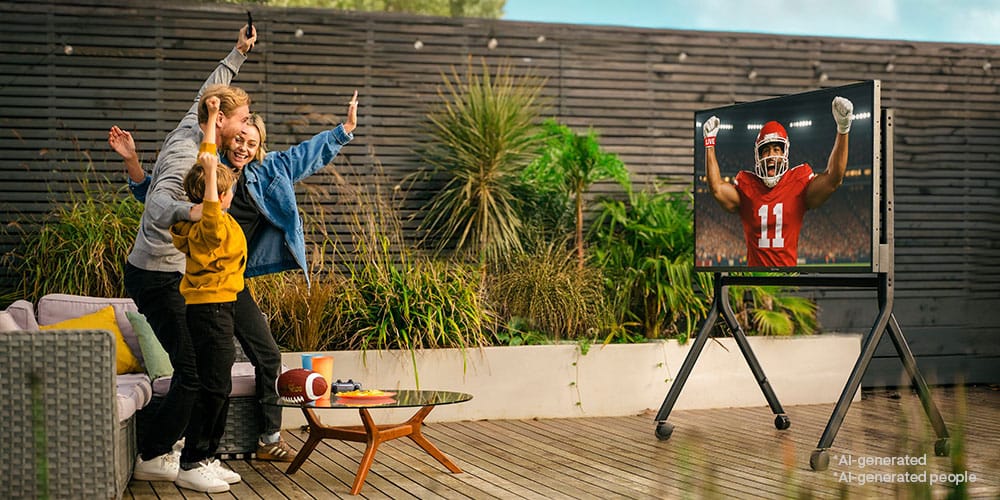
Whether you are watching:
- films
- sports
- gaming
- streaming content
the display and audio system make a significant difference.
Important Picture Features for Outdoor TVs
4K UHD Resolution
4K provides:
- sharper details
- clearer images
- better viewing on larger screens
This becomes especially noticeable on:
- 65-inch screens
- 75-inch screens
- outdoor cinema-style setups
QLED and Advanced Colour Technology
Outdoor environments can affect how colours appear.
A display with stronger colour performance helps maintain:
- richer images
- better contrast
- more natural colours
This is particularly valuable for:
- movies
- nature documentaries
- streaming content
120Hz Refresh Rate
For fast-moving content, refresh rate matters.
A 120Hz display can improve:
- sports viewing
- gaming
- action scenes
Fast movements appear smoother and more natural.
For households that regularly watch football, motorsports, or play console games outdoors, this feature can make a noticeable difference.
Anti-Glare Screen
Outdoor reflections can reduce viewing comfort.
Anti-glare technology helps minimise:
- sunlight reflections
- distracting highlights
- reduced contrast
This is especially important during daytime viewing.
Outdoor Audio: Why Sound Matters More Outside
Sound behaves differently outdoors.
Inside a room, walls and ceilings help reflect sound.
Outside:
- sound spreads more quickly
- background noise is higher
- seating areas are often larger
For better outdoor entertainment, consider:
- stronger built-in speakers
- Dolby Atmos support
- soundbar compatibility
- external audio solutions
Picture and Sound Checklist
| What you want | Feature to look for | Why it helps |
|---|---|---|
| Everyday outdoor viewing | 4K UHD | Sharp details on larger screens |
| Better colours | QLED technology | Richer and more vibrant images |
| Sports and gaming | 120Hz refresh rate | Smoother motion |
| Daytime viewing | Anti-glare display | Reduces reflections |
| Movie nights | Dolby Vision / Dolby Atmos | More immersive experience |
| Large outdoor areas | Soundbar support | Better audio coverage |
A good outdoor TV should balance all of these factors.
The brightest screen is not always the best choice. The best model is the one that matches your environment and how you plan to use it.
6. Choose by Smart Features: Which Functions Are Actually Useful Outdoors?
Smart features can make an outdoor TV much easier to use, especially when the television is installed in a fixed outdoor location.
However, smart functions should support the outdoor experience — not distract from the features that matter most.
Before choosing a model, remember:
Outdoor durability should always come first.
A TV with many apps but poor outdoor performance will not provide a good long-term experience.
The most useful smart features are the ones that make everyday outdoor entertainment simpler.
Built-In Streaming
A modern outdoor TV should ideally provide direct access to popular streaming platforms.
Useful services may include:
- Netflix
- YouTube
- Prime Video
- Disney+
- live TV applications
- sports streaming services
The advantage is convenience.
Instead of connecting extra devices every time, you can simply turn on the TV and start watching.
This is especially helpful for outdoor areas where you want to avoid:
- extra cables
- additional power adapters
- external streaming boxes
Voice Control
Voice control is more practical outdoors than many people expect.
Examples:
- changing channels while cooking
- adjusting volume while relaxing by the pool
- searching for a film without using the remote
Smartphone Connection and Screen Mirroring
Wireless connectivity is useful for outdoor entertainment.
Common features include:
- smartphone screen mirroring
- Bluetooth
- Wi-Fi connection
- wireless audio connection
This allows you to easily:
- share holiday photos
- play personal videos
- stream music
- display content from your phone
Connectivity and Ports
Even with wireless features, physical connections still matter.
Useful ports include:
- HDMI for consoles and media devices
- USB for local playback
- eARC for audio systems
- network connection for stable streaming
For outdoor gaming setups or larger entertainment areas, flexible connectivity can make installation much easier.
7. Choose the Right Installation Setup
The way an outdoor TV is installed affects:
- viewing comfort
- safety
- appearance
- daily convenience
Before buying, think about:
- where people usually sit
- where sunlight comes from
- whether the TV should stay in one place
- whether you need flexibility
There is no single “best” installation method. The right choice depends on your outdoor space.
Wall Mount: Best for Permanent Outdoor Setups
A wall-mounted outdoor TV is one of the most common choices.
Suitable for:
- terraces
- outdoor kitchens
- pool walls
- garden entertainment areas
Advantages:
✓ clean appearance
✓ stable viewing position
✓ saves floor space
✓ ideal for permanent installation
A strong mounting surface is important to ensure safety, especially with larger screens.
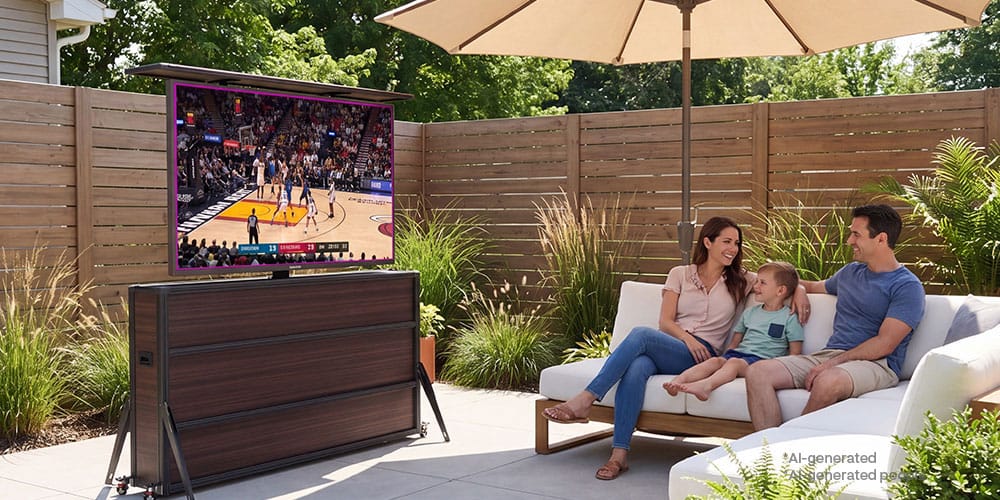
Ceiling Mount: A Flexible Option for Covered Areas
Ceiling mounting works well for:
- pergolas
- covered terraces
- outdoor dining areas
Advantages:
✓ useful when wall space is limited
✓ keeps the installation tidy
✓ creates a better viewing position in open layouts
The supporting structure must be strong enough to safely hold the TV.
Outdoor TV Cart: Maximum Flexibility
A mobile TV stand or outdoor TV cart is useful if you want to move the screen between different areas.
Suitable for:
- gardens
- terraces
- events
- pool parties
Advantages:
✓ easy repositioning
✓ flexible outdoor layouts
✓ no permanent installation required
This option works well for people who want one TV for multiple outdoor spaces.
Outdoor TV Lift Cabinet: Premium Integration
For high-end outdoor living spaces, a TV lift cabinet offers a more integrated solution.
Suitable for:
- luxury terraces
- premium gardens
- pool areas
Advantages:
✓ cleaner appearance
✓ additional protection when not in use
✓ TV can be hidden when desired
This solution is often chosen when the outdoor design and aesthetics are as important as entertainment.
8. Ask These 5 Questions Before Buying an Outdoor TV
Before choosing an outdoor TV, ask these questions to make sure the model matches your environment.
1. Is my space suitable for partial sun or full sun?
Why it matters:
The sunlight exposure determines the brightness you need.
Example:
- Covered terrace → around 1,000 nits
- Open sunny area → 2,000+ nits
Choosing the wrong brightness can lead to a screen that is either difficult to see or unnecessarily expensive.
2. How bright is the TV?
Why it matters:
Brightness directly affects daytime visibility.
Look for:
- nit rating
- anti-glare performance
- real outdoor viewing examples
A high-resolution display is not enough if the image cannot compete with sunlight.
3. What is the IP rating?
Why it matters:
The IP rating helps confirm protection against:
- dust
- water
- outdoor exposure
Avoid relying only on general words such as “weather resistant”.
Look for specific protection information.
4. What materials and construction are used?
Why it matters:
The housing design affects:
- durability
- heat management
- long-term outdoor performance
Important factors include:
- robust materials
- sealed construction
- protected connections
5. What temperature range can it handle?
Why it matters:
Outdoor TVs experience both summer heat and winter cold.
Check:
- operating temperature range
- cooling design
- cold-weather performance
This is especially important if the TV will remain outside throughout the year.
Find the Right Outdoor TV for Your Space
The best outdoor TV is not simply the model with the highest specifications.
It is the one that matches your actual environment.
Start with:
1. Sunlight
How much direct sunlight reaches the screen?
↓
Choose the right brightness level.
2. Weather Exposure
Is the TV protected or fully exposed?
↓
Choose suitable weather protection.
3. Viewing Distance
How far away will people sit?
↓
Choose the right screen size.
4. Usage
Will you watch films, sports, gaming, or casual entertainment?
↓
Choose the right picture, sound, and smart features.
Final Thoughts: Choosing an Outdoor TV That Fits Your Lifestyle
An outdoor TV is a long-term investment in your outdoor living space.
The right choice is not about buying the most expensive model.
It is about finding the right balance between:
✓ brightness
✓ weather protection
✓ durability
✓ size
✓ picture quality
✓ sound
✓ smart features
✓ installation method
Whether you want to create a garden cinema, enjoy sports with friends, or simply relax on your terrace after work, a well-chosen outdoor TV can make your outdoor space more comfortable and enjoyable throughout the year.
The key is to choose a TV that is designed for the conditions where you actually plan to use it.
Because the best outdoor entertainment setup is not the one with the most features.
It is the one that works reliably whenever you want to enjoy being outside.


 EUR €
EUR €
Leave a comment